New Integration Standards for Autonomous AI Sales Development Representatives Published
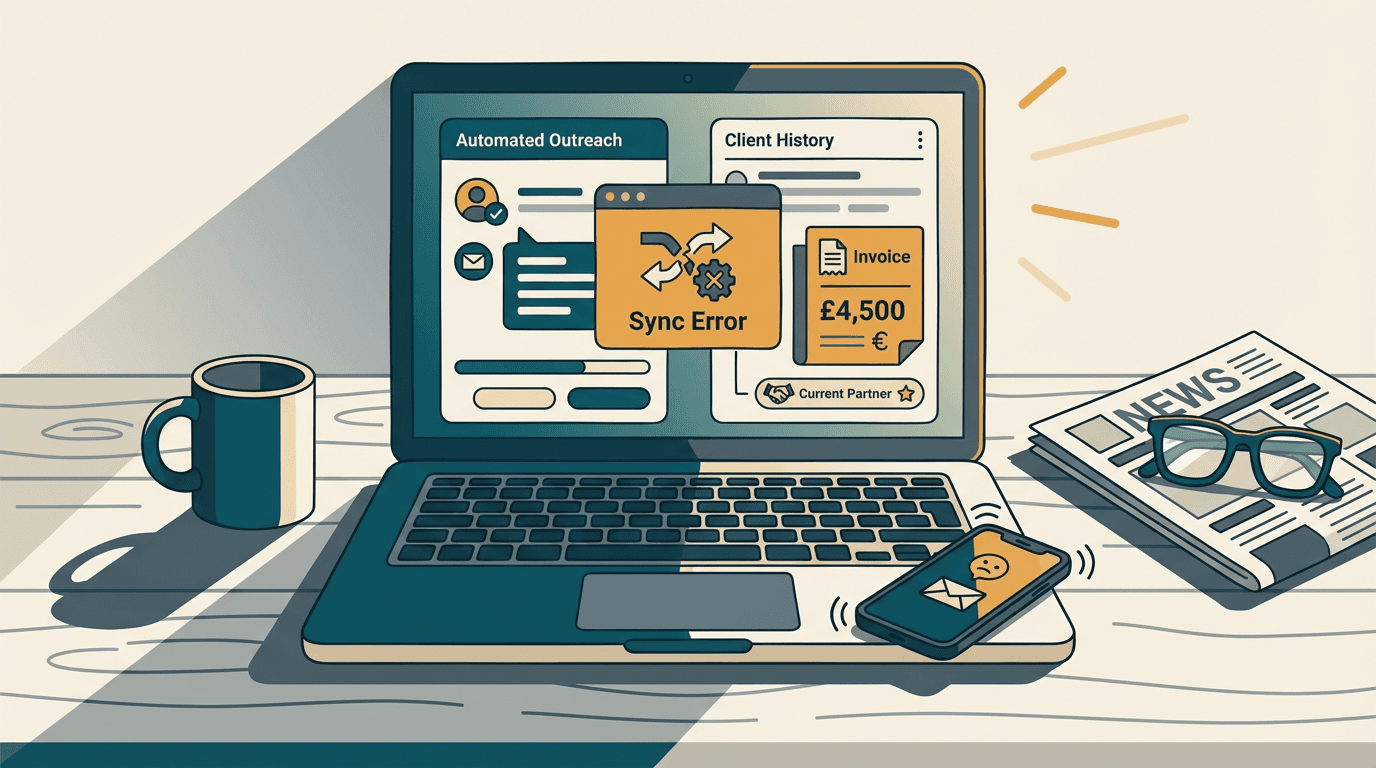
Industry analysts published new integration standards for autonomous AI sales development representatives this week. For UK SMEs, rushing to adopt these tools without checking their connection depth creates a massive risk of spamming your existing clients. Tools like AiSDR and Artisan are leading the pack, but how they talk to your database dictates whether they help or harm your brand.
CRM vendors draw a line between basic and deep syncs
The market for AI sales development representatives (SDRs) is fracturing based on how well they talk to your existing database. According to a new breakdown by Topo.io, buyers must now evaluate AI SDRs across different integration tiers. Tier 1 tools offer basic connectivity, which means they handle simple contact synchronisation and activity logging. Tier 2 tools, such as AiSDR, provide deep two-way data transfer, allowing them to sync HubSpot lists directly into campaigns and read custom properties.
This distinction is critical because autonomous agents don't stop to check context before sending an email. If an AI tool only pulls a static list from HubSpot and lacks a live, bidirectional sync, it operates blindly. As Cognism points out, modern AI reps plug straight into your sales tools to work around the clock. But when that plug is shallow, the AI can't see when a prospect signs a contract or files a support ticket. It just keeps sending aggressive outbound sequences.
The quiet risk for 50-person teams
If you run a UK business with £5M to £15M in revenue, your reputation is your strongest asset. Adopting a basic AI SDR integration puts that reputation on the line. When you use a Tier 1 tool, you're handing a megaphone to a system that doesn't know who your current clients are.
The mechanism is simple. A prospect enters your pipeline and eventually signs a deal. Your account manager updates HubSpot. However, because your AI SDR only uses a basic data sync, it misses the status change. The following morning, the AI sends a cold prospecting email to your brand-new client, treating them like a stranger. I find it baffling that vendors sell these basic integrations as a complete solution.
This affects smaller teams disproportionately because you don't have a dedicated revenue operations manager to manually reconcile lists every day. You rely on the software to do the heavy lifting. If the integration can't automatically exclude active customers or read custom properties to tailor the message, the AI becomes a liability. You end up apologising to confused clients instead of closing new business.
Three things to check
- Audit your current AI SDR connection. Look at your HubSpot settings to see if your AI tool relies on one-way list imports or a live, bidirectional sync. If it's the former, pause your campaigns.
- Define your exclusion lists. Create a dynamic active client list in HubSpot. Ensure your AI SDR has direct access to this list and is programmed to immediately halt outreach if a contact enters it.
- Test the fail-safe. Change a test contact's status to "Customer" in HubSpot and watch your AI SDR's queue. If the scheduled outreach doesn't cancel automatically within five minutes, you need to upgrade your integration tier or switch vendors.
Get our UK AI insights.
Practical reads on AI for UK businesses — teardowns, how-to guides, regulatory news. Unsubscribe anytime.
Unsubscribe anytime.